

Rupes Rotary Revival System
Sale price
R 10,500.00
Regular price R 14,325.00
- Complete rotary system: machine, compounds and pads
- Covers every correction stage from heavy cut to ultra-fine
- Includes traditional foam, waffle foam and wool pad options
- Built around the professional-grade Rupes LH19E 5" rotary polisher
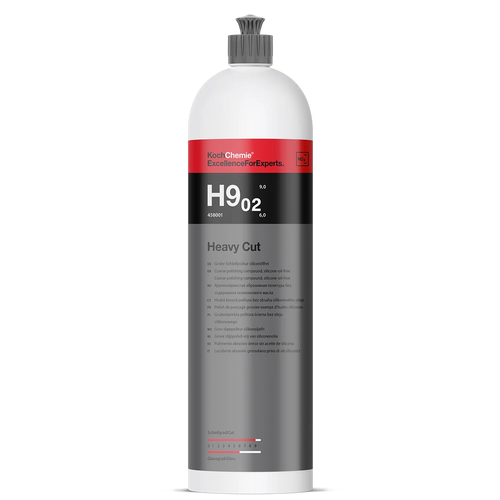
- Direct rotary cut for heavy swirls, scratches and oxidation
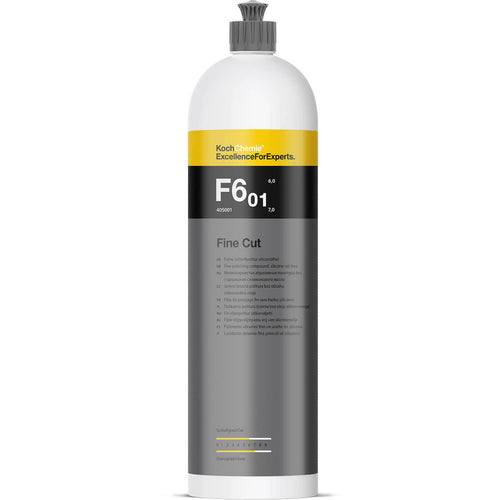
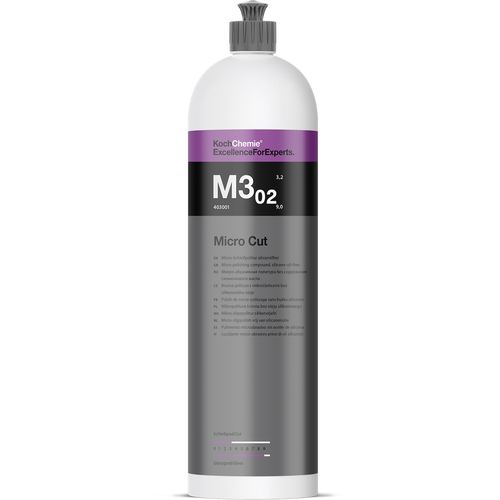
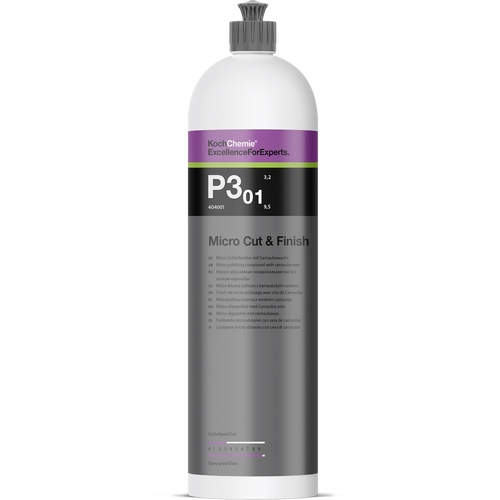
- Three-stage system from coarse correction to final gloss
- 12 pads cover foam, waffle foam and wool in every aggression level
- Free shippingOn orders over R1000
- Fast delivery2-4 business days
- Safe paymentEncrypted checkout
Guaranteed safe checkout
- Visa
- Mastercard
- Apple Pay
- Google Pay
- Capitec
- Stitch
Frequently bought together
Total price R 17,800.00
Rotary Correction
Real cutting power, start to finish
The Rupes LH19E delivers direct rotary torque where other machines fall short - heavy oxidation, deep scratches and stubborn defects come out cleanly without having to revisit a panel multiple times. With three compounds and three pad grades in the kit, you move from aggressive cut to mirror gloss in a single workflow.
Why This Kit
Built for demanding correction work
Four reasons professionals reach for this system.
-
Direct Rotary Power
The LH19E's rotary action cuts harder and faster than a DA on severe paint defects and oxidation.
-
Three Matched Compounds
XC-2 coarse, fine and UNO PURE ultra finishing are formulated specifically for rotary machine use.
-
Twelve Pads, Three Types
Foam, waffle foam and wool pads in every aggression grade give you the right tool for every panel.
-
Correction to Clarity
A complete three-stage workflow takes paint from defect-laden to gloss-ready in one kit.
How It Compares
Rupes Rotary Revival System vs a generic rotary kit
Not all rotary kits are built the same. Here is how this system stacks up against a typical budget rotary bundle.
| Feature | DetailerSA | Alternative |
|---|---|---|
| Rotary-specific compound formulations | Yes | No |
| Wool pads included for maximum cut | Yes | No |
| Three distinct pad types (foam, waffle, wool) | Yes | No |
| Full three-stage correction workflow in one box | Yes | No |
| Machine included in the kit | Yes | Yes |
| Multiple pad aggression grades | Yes | Yes |
Complete Kit
Nothing missing, nothing wasted
This system is designed for professional detailers who want a proven rotary setup without the guesswork of building a kit piece by piece. Foam, waffle foam and wool pads cover every panel and paint type, and all three compounds are matched to the LH19E's rotary action for consistent, predictable results across the correction stages.
Reviews
What our customers say
No reviews yet. Be the first to review this product.
Questions
Frequently asked
What stages of correction does this kit cover?
The kit covers three stages. The XC-2 Xtra Cut Coarse Compound paired with a coarse foam or wool pad handles heavy defect removal and deep scratches. The Rotary Fine Compound refines the surface and removes swirl marks left by the cut stage. UNO PURE Ultra Finishing Polish on an ultra-fine pad brings up final clarity and gloss before you apply any protection.
When should I use the wool pads versus the foam pads?
The Cut and Finish Wool pads paired with the XC-2 coarse compound give you maximum cutting aggression - ideal for heavily oxidised paint, deep scratches or surfaces that simply need more mechanical cut than foam can deliver. Foam pads run cooler and are easier to control on thinner or more sensitive paint. For most standard correction work, start with coarse foam before reaching for the wool.
What is the difference between the traditional rotary foam pads and the waffle foam pads?
The waffle foam pads have a textured, contoured surface that distributes compound more evenly, reduces heat build-up and allows the pad to flex slightly over curved panels. Traditional flat foam pads offer consistent, even contact and can hold slightly more compound. Both come in coarse, fine and ultra-fine grades - which you choose often comes down to personal preference and the specific panel you are working on.
Is the Rupes LH19E suitable for beginners?
The LH19E is a professional-grade rotary polisher. Rotary machines deliver direct cutting power with no random orbital offset, so they remove paint quickly and require a confident, controlled technique. If you are new to machine polishing, it is worth practising on a test panel before working on a customer or show car. The machine is not dangerous if used correctly, but it rewards experience.
What paint types is this system safe on?
The system is designed for use on conventional solvent-based and waterborne automotive clearcoats. It is suitable for hard and soft paint systems alike, though pad and compound aggression should be matched to paint hardness. It is not recommended for single-stage enamel paints without testing first. Always check paint thickness with a paint depth gauge before beginning any correction work.
Can I use this system before applying a ceramic coating or PPF?
Absolutely - full paint correction before a ceramic coating or PPF installation is exactly what this system is built for. Work through all three stages ending with UNO PURE on an ultra-fine pad, then follow up with a panel wipe or IPA solution to remove any polish oils before applying your coating or laying PPF.
How much compound should I use per pad?
As a starting point, apply four to five pea-sized dots of compound to the pad before beginning a section. With rotary polishing, less is more - overloading the pad can cause splatter at higher speeds and reduces the efficiency of the compound. Work a section of roughly 40 x 40 cm at a time, adding small amounts of compound as needed to keep the pad lubricated throughout the pass.
Do the compounds in this kit leave behind any oils or fillers?
UNO PURE is specifically formulated as a finishing polish with minimal fillers, which is why it is included as the final refining step - it leaves a clear, filler-free surface ready for inspection and protection. The XC-2 coarse and Rotary Fine compounds are correction-grade products; it is good practice to wipe down with an IPA solution after correction to ensure no residual product affects coating bonding or your true defect assessment.